The 9:16 Vertical Cropping Shift
Visual Geometry AlterationAnamorphic 2.39:1 widescreen compositions lose over 60% of side visual information when converted for phone screens, discarding crucial environmental storytelling.
A critical breakdown of how cinematic moments are extracted from feature length narratives, repurposed into looping short-form feeds, and re-introduced to audiences stripped of context.
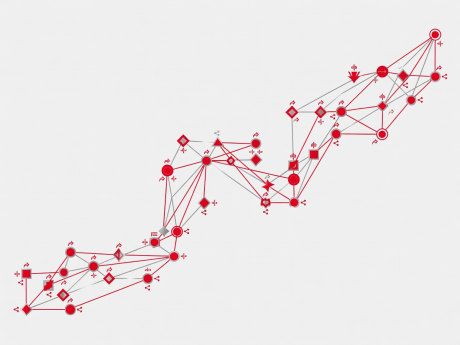
Fig. 2.1 — Signal dispersion curve: Box office to social loop
When a film enters the cultural bloodstream, its trajectory on social platforms rarely mirrors critical consensus. Instead, secondary creators harvest scenes exhibiting three distinct traits: extreme tonal dissonance, ambiguous moral stances, or rhythmic sound design easily detached from dialogue.
During festival runs, sound designer Johnnie Burn's ambient acoustic backdrop (machinery hums, distant shouts) operated as the thematic horror engine while the visuals depicted domestic gardening. When short clips entered social circulation, algorithms frequently removed the delicate low-frequency rumble, replacing it with trending electronic backing tracks. This fundamentally altered Glazer's conceptual intention.
Anamorphic 2.39:1 widescreen compositions lose over 60% of side visual information when converted for phone screens, discarding crucial environmental storytelling.
Deliberate cinematic silences and negative space are truncated by editing tools to keep viewer retention, distorting performance subtlety into abrupt melodrama.
Villainous or sociopathic protagonists (e.g., Patrick Bateman in American Psycho, Lydia Tár in Tár) are re-contextualized as motivational icons or punchlines.
Below is our verified registry tracking five key cinema titles where clip circulation dramatically reshaped public perception versus initial theatrical reception.
| Film Title | Director | Theatrical Debut | Circulating Moment | Context Erosion Factor |
|---|---|---|---|---|
| May December | Todd Haynes | Nov 2023 | "There's no more hot dogs" mirror confrontation | High: Camp melodrama favored over unsettling grooming critique |
| Dune: Part Two | Denis Villeneuve | Mar 2024 | Paul Atreides shouting before the Southern Council | Medium: Messiah tragedy framed as triumphalist action beat |
| Anatomy of a Fall | Justine Triet | Aug 2023 | Kitchen argument voice recording playback | Low: Domestic marital realism maintained across discussions |
| Challengers | Luca Guadagnino | Apr 2024 | Churros bench sequence conversation | High: Power negotiation reduced to relationship romanticization |
| Saltburn | Emerald Fennell | Nov 2023 | Grave interaction and ending palace dance | Extreme: Shock value clips divorced from class-satire structure |
When encountering an isolated film snippet on an entertainment feed, apply this three-tier verification rubric before accepting audience reactions at face value:
Determine whether the clip was released as official distributor B-roll (calculated marketing), a viewer screen-capture, or an edited remix with pitch-shifted audio.
Ask what dramatic crisis forced the character into this gesture. Characters in great cinema often act in direct contradiction to their true desires.
Note how cinematographer lighting and blocking establish who holds power in the frame. These elements are routinely flattened on mobile displays.
About cookies Essential cookies keep this site working. Optional ones help us see what is useful. You can change your choice at any time. More about cookies